
*When the Rest of the Household Doesn’t
Oh, fad diets. If only they were just that! Optional, cheatable, and disposable.
Unfortunately, some fads find their roots in a very serious reality. Many people do not have the ability to process lactose. A peanut allergy can send the unfortunate to the emergency room. And celiac, an autoimmune condition that damages the intestines, is triggered by the smallest amount of gluten.
Whether your gluten-free eater is a victim of fad diets or an autoimmune disorder, here are a few things I’ve picked up cooking for a blended (gluten + gluten free) family that might make it a little easier for you.
Get to Know Other Grains
When considering gluten free options, it’s easy to fixate on all the things you can’t have, and then go looking for substitutes.
Look, wheatless bread and pasta are way better than they were when I was a kid. But by trying only to replace what you have lost, you miss a whole world of things you haven’t tried yet.
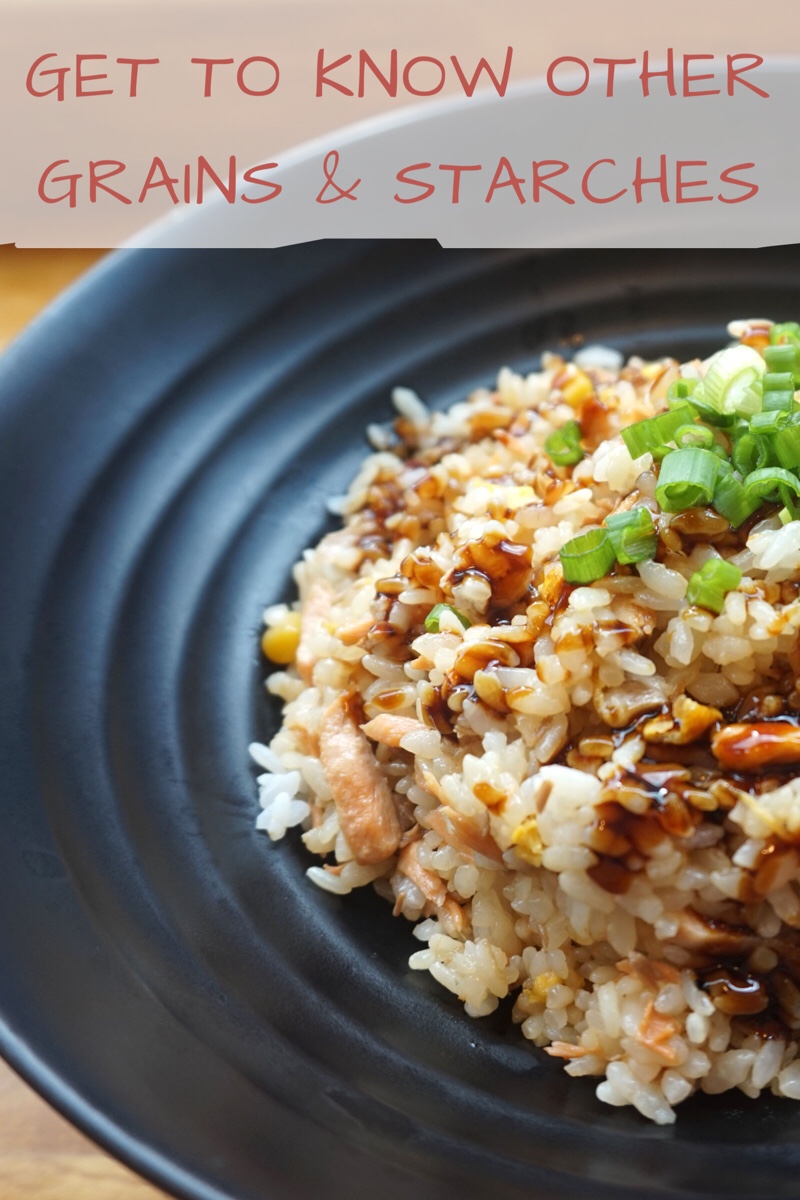
Many cultures around the world rely heavily on other grains for their carb fix. Of course, there are familiar options: corn, rice, oats. But why not find some new favorites as well?
Quinoa is an amazing grain, naturally high in iron and incredibly versatile. Serve as a pilaf alongside meatloaf (where rolled oats fill in for bread crumbs seamlessly), toss with veggies and dressing for a pasta-less salad, or fry into patties and smother in poached egg and hollandaise sauce.
Other grains to introduce include amaranth, millet, buckwheat (yes, really!) and sorghum, for starters. One caveat: some grains can become contaminated by wheat during the growing or harvesting process. Find a source that takes precautions.
And don’t limit yourself to grains! Other starchy foods like potatoes, yams, cassava, and plantain are good additions to a balanced gluten-free diet.
The best part of this is that the whole family can enjoy exploring alternate grains and starches – they expand their palate and you only cook one meal.
Color Code Utensils
When someone in the household has celiac, it means you’ll need duplicates of many kitchen tools and appliances. A second toaster, a dedicated cutting board – these should be standard issue with the diagnosis.
So what’s this about utensils?
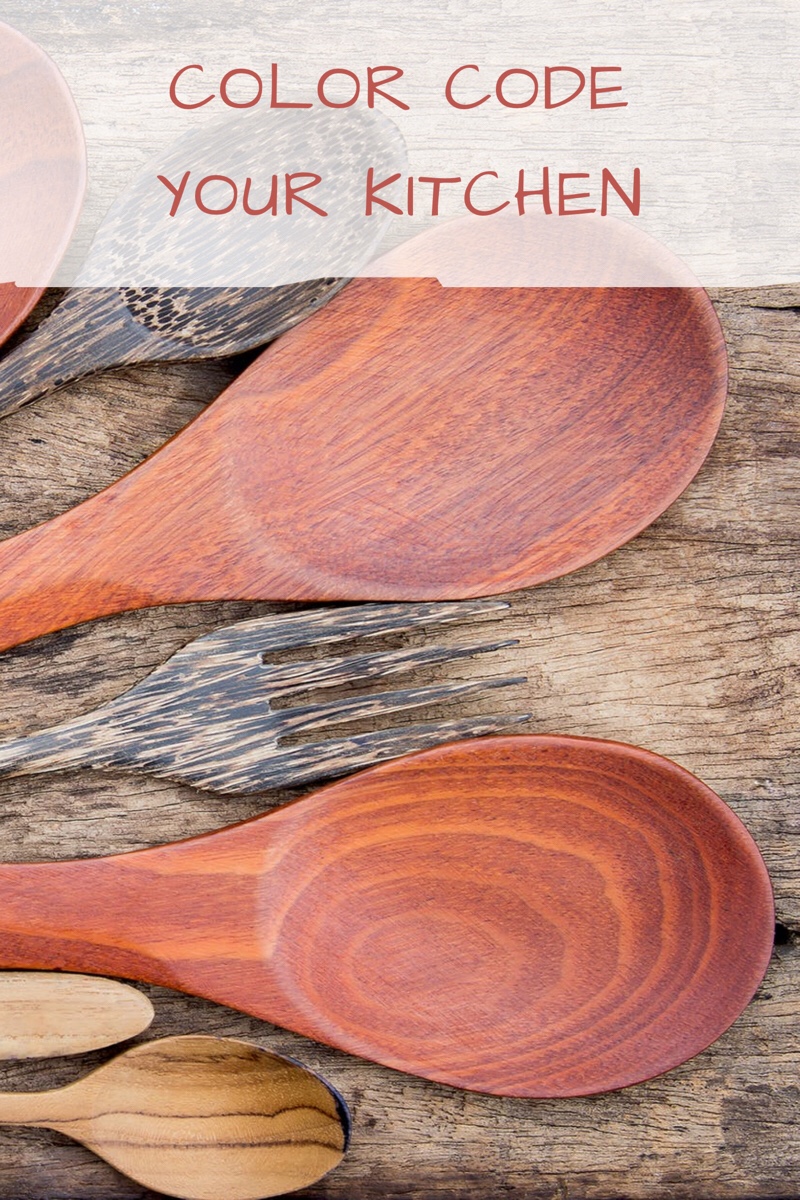
For metal and plastic tools, a thorough washing with soap and water is sufficient to prevent contamination. But I love me some wooden spoons, and I’m always leery of those porous surfaces harboring little gluten midgets.
My solution: I found a set of wooden spoons with colored handles. They never touch gluten. It’s easy to remember, and makes me feel better.
Of course, you can also stick to metal or plastic stirring devices, if you aren’t addicted to wooden spoons.
Find a Good Gluten Free Flour
While gluten free foods have gotten much more palatable over the decades, there’s still nothing better than homemade.
Fortunately the days of having to blend exotic sounding flours and gums are behind us. Several brands sell cup-for-cup gluten free flour that you can sub directly into most recipes. Do some experimenting and find one you like, then keep it in stock.
These flours are good enough that you can’t really tell the difference in the final product. Bake up a storm for the whole family to enjoy.
Know When to Let it Go
Whether you are cooking from scratch at home or buying gluten free groceries, it’s helpful to know what works and what doesn’t.
Bread
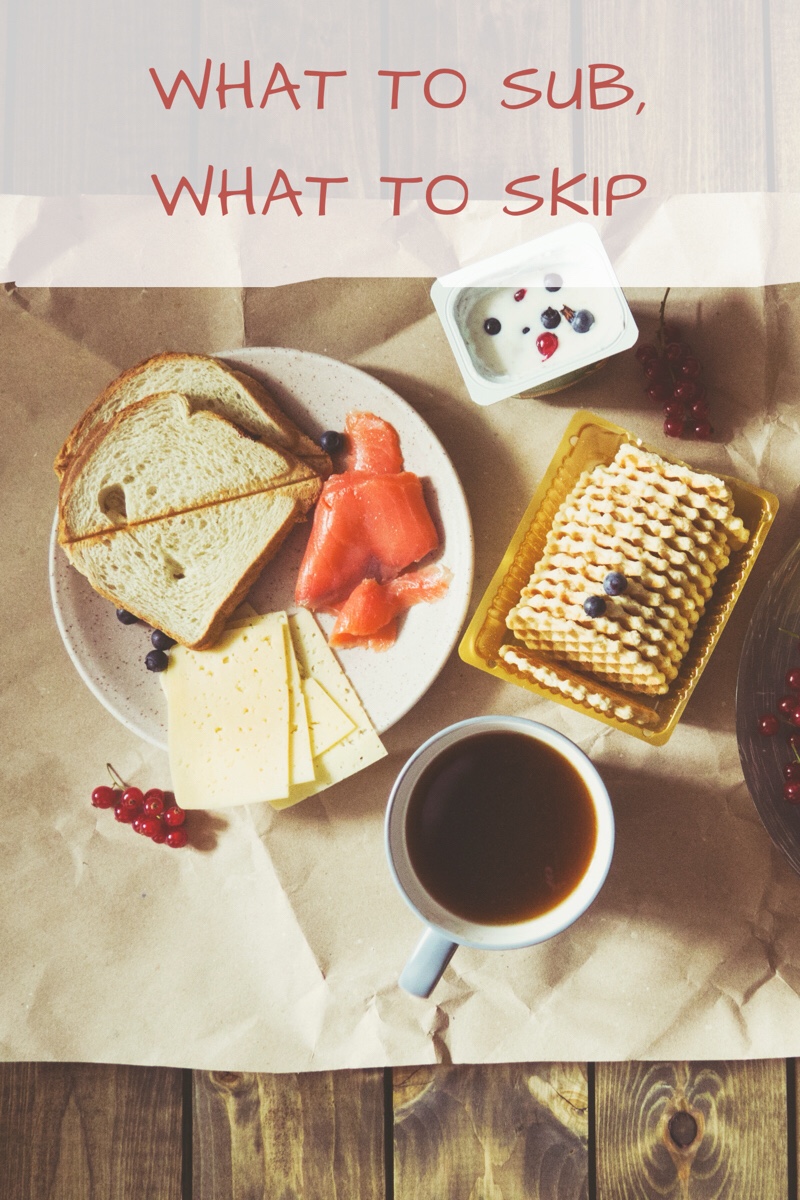
It’s very hard to make a good gluten free yeast bread. This is because yeast bubbles rely on the strength of stretchy gluten to keep them from popping. If you must have your toasts and sandwiches, buy a reliable brand of gluten free bread from the store and keep in the freezer.
Cookies
Gluten free cookies are amazing. Since they aren’t expected to rise much in the first place, cookies don’t rely heavily on the structure of gluten. Buy them or make them from scratch. You can even make cut-out cookies!
Other Things to Avoid
Pastries, like yeast breads, depend on the structure of gluten to turn out right. So croissants, pies and cream puffs are going to be frustrating.
Instead of a pastry crust, use crushed gluten free cookies or nuts to make a Graham-style crust – best for no bake recipes. Get your cream and custard fix with meringue shells.
Do Try These Though
As a general rule of thumb, if a recipe calls for baking powder or soda for leavening it will translate well with gluten free flour. In addition to cookies you can bake your heart away with brownies and cakes, muffins and quick breads.
For thickening sauces, use cornstarch instead of flour, or just use gluten free flour.
What About Pasta?
Once again, gluten is the star of pasta’s texture and mouth feel. There are gluten free pastas available, but you cannot let them cook even one second over their time or they will dissolve. Look for non-grain options (edamame pasta or gluten free potato gnocchi are good!) or simply serve rice instead of pasta with your favorite pasta sauce.
How to Survive Eating Gluten Free in Public
One of the hardest things about eating gluten free is when you are eating away from home. But you don’t need to become a social outcast. Here’s what I’ve found works best for…
School and Other Events
Eat beforehand. Always eat before you go.
If a bake sale offers commercially sealed gluten free goods then go for it: otherwise pass. Cross contamination is almost sure to happen in these situations!
And BYOB – bring your own brownies, or whatever.
Parties and the Like
Let the host(ess) know ahead of time about your dietary needs. Assure them that you will bring gluten free alternatives for yourself.
Bring a gluten free cupcake to be enjoyed for dessert. Bring your own hot dog buns, or a personal gluten free pizza, as appropriate. For dinner parties, offer to bring a side dish to share – and make it gluten free.
Eating Out
Whenever possible, choose a restaurant that offers gluten free options. Let your server know, discreetly, that you can’t have gluten – and specify that you have celiac (if you do).
Sneak your own snacks into the movie theater, or stick to prepackaged candy boxes at the snack bar.
Your Turn!
I’ll be the first to admit that I’m a relative novice when it comes to gluten free eating. So I’d love to hear your tips – what have you found useful when it comes to eating gluten free in the real world?
No, really: we have family trips planned this summer and I’m all ears.

 brainunbranded.com